3 hr
Aruba Catamaran Snorkel Cruise with Open Bar
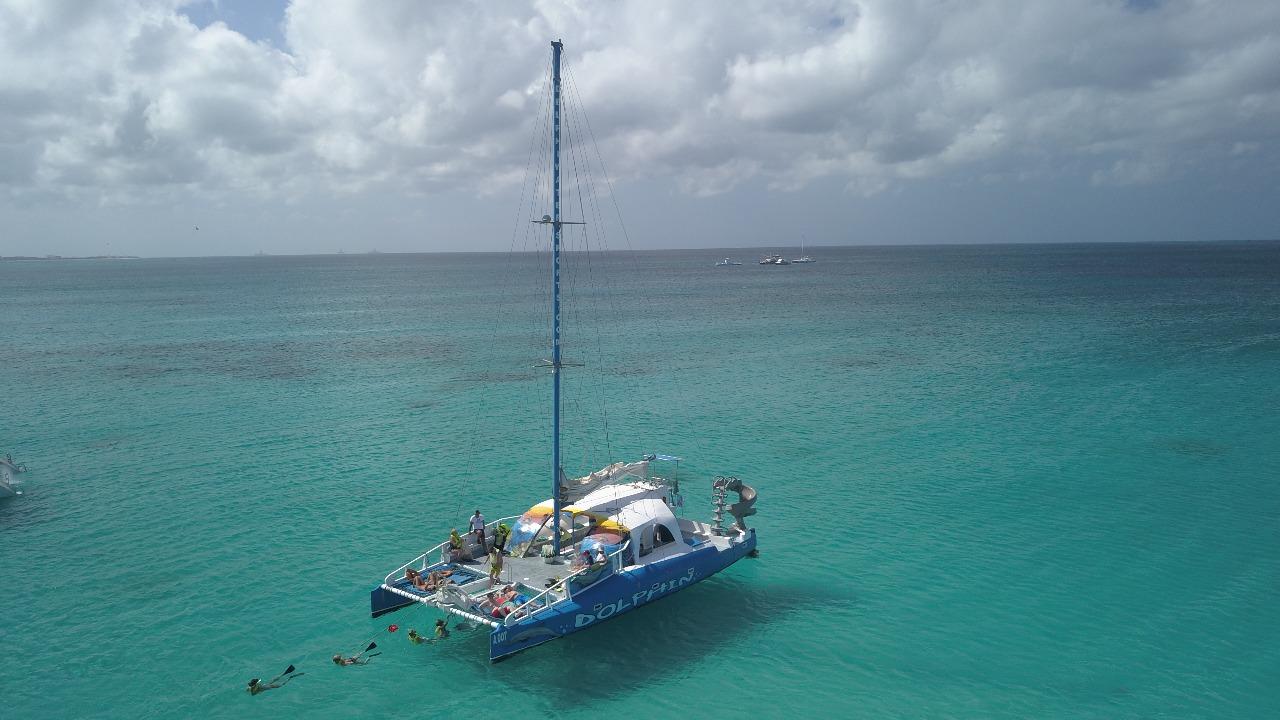
Three-hour sailing adventure with shipwreck snorkeling, Caribbean cocktails, and waterslide fun
Reserve
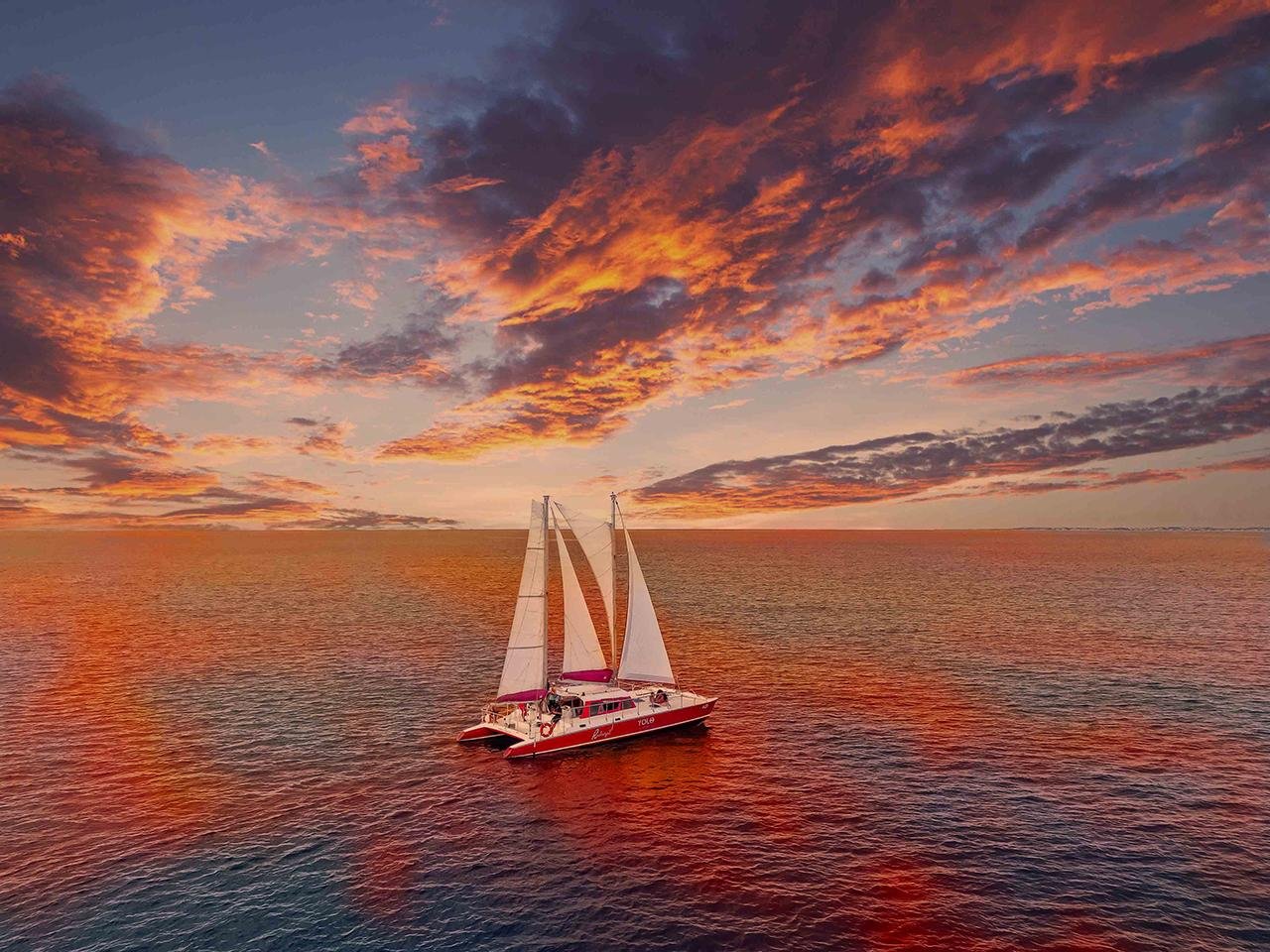
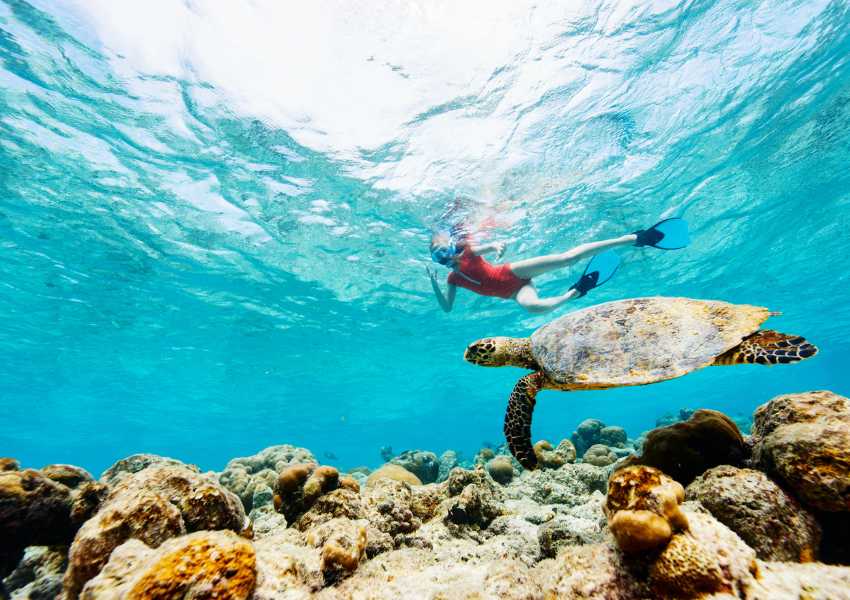
Sail to Tres Trapi and Boca Catalina, where green turtles surface beside your mask
Hand-picked by our editors — 5 catamaran cruises from 47 reviewed operators, each with open bar and certified guides.
Verified partners for every tour, free cancellation where available, and instant confirmation on every booking.
3 hr
Three-hour sailing adventure with shipwreck snorkeling, Caribbean cocktails, and waterslide fun
Reserve
3 hr
Sail the Caribbean coast, explore a WWII shipwreck, snorkel two pristine sites, and enjoy unlimited cocktails.
Reserve
4 hr 30 min
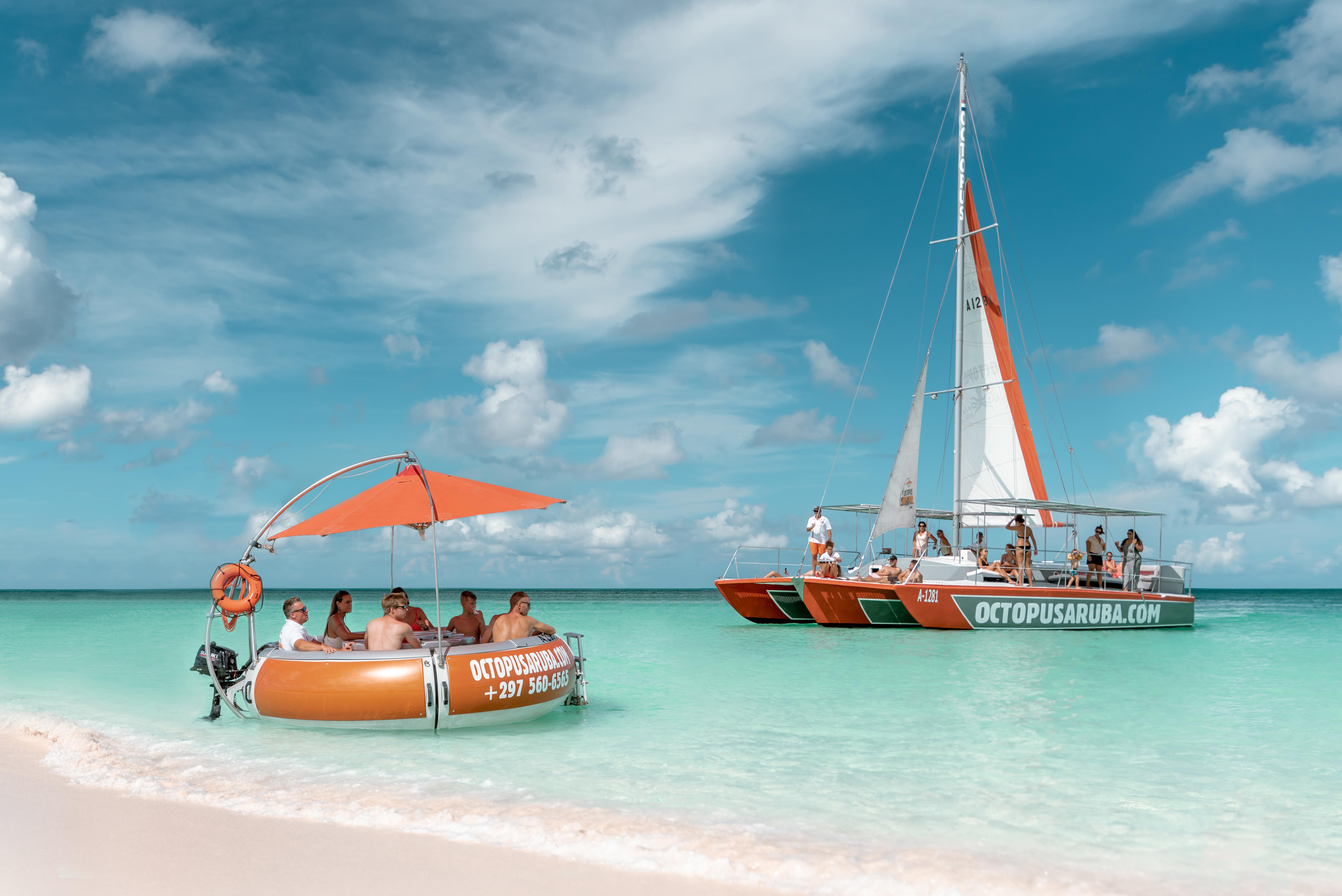
Sail the Aruban coast, swim with sea turtles, explore a WWII wreck, and feast on BBQ as the sun sets
ReservePrices from verified partners. Availability updates in real time at checkout. Free cancellation policies apply where shown.
The landmarks, rooms, and views travelers on this tour remember — all visible on a single visit.
These historic stone steps carved into the rock provide the primary access point for every aruba turtle snorkeling tour. They are worn smooth by years of use by locals and visitors alike.
Tres Trapi offers a focused encounter with sea life, while Mangel Halto provides a wider reef-drift experience; most visitors find that combining these Aruba turtle snorkeling tour options yields the best results.
| Feature | Top pick Tres Trapi Turtle Spot | Mangel Halto Reef |
|---|---|---|
Primary Marine Life |
Sea turtles | Reef fish and coral |
Water Entrance Method |
Stone steps | Shoreline and wooden stairs |
Current Strength |
Minimal | Moderate to strong drift |
Skill Level Required |
Beginner | Intermediate |
Typical Duration |
1 hour | 2 to 3 hours |
| See tickets → |
Verdict: Choose the local sea turtle experience for easy access to gentle creatures or the southern reef to secure your aruba turtle snorkeling tour tickets for a more challenging underwater adventure.
Choose your ticket, select your date, and reserve in under two minutes. Secure checkout handled by our verified partner.
Instant confirmation by email, with a mobile voucher you can save offline. No printing, no queuing at a collection desk.
Arrive at the entrance, show your voucher on your phone, and walk in. Most tickets include priority or skip-the-line access.
Best time to go, insider tips, nearby landmarks, and the cancellation fine print — flip through to skim what matters to you.
How crowds, weather, and events shift across the year.
Early mornings offer the calmest water and best conditions for spotting turtles on an aruba turtle snorkeling tour. Expect temperatures around 30°C and gentle trade winds.
Small details that turn a good visit into a great one.
Never chase, touch, or feed the sea turtles observed during your aruba turtle snorkeling tour. Floating quietly allows them to continue feeding on seagrass undisturbed.
Non-bookable sights within a short walk — free to visit, easy to pair.
A serene bay nearby perfect for relaxing after an aruba turtle snorkeling tour. The water is calm and ideal for novice snorkelers.
Flexible, no hidden fees.
For a full refund, cancel at least 24 hours before the scheduled departure time of your aruba turtle snorkeling tour. There is no entrance fee as this is a public beach, but private tours have specific operator policies.
Hand-picked options within walking distance — pick a district for vibe, or a specific hotel for convenience.
Upscale hotel area with extensive amenities and direct beach access.
Green turtles return to Aruba's northwestern shallows between March and September, nesting along quiet stretches where limestone cliffs shelter sandy coves from the Atlantic swell. Tres Trapi, a pocket beach north of Eagle Beach, serves as both a nesting ground and year-round foraging zone; juvenile and sub-adult Chelonia mydas graze on seagrass beds between three and eight meters below the surface, surfacing every four to seven minutes to breathe. The same turtles reappear across successive seasons, identified by barnacle patterns and carapace notches logged by the Turtugaruba Foundation since 2013. Aruba's coastline supports approximately two hundred resident green turtles, concentrated along the leeward shore between Arashi Beach and Malmok. Unlike hawksbills, which favor coral reef habitats, greens cluster near sandy substrates where Thalassia testudinum and Syringodium filiforme form dense meadows. Water clarity peaks during morning hours, when offshore winds subside and plankton settle; visibility routinely exceeds twenty meters before 09:00, declining as trade winds pick up by midday. Tres Trapi's three natural rock arches frame the northern boundary of the turtle corridor, and the adjacent Boca Catalina reef—a submerged limestone shelf colonized by brain coral and elkhorn fragments—serves as a secondary feeding site. Catamaran operators anchor in designated zones marked by subsurface buoys, maintaining a fifteen-meter buffer from active nesting areas. Snorkelers enter the water at Tres Trapi's northern edge, where depth drops gradually from wading shallows to chest-deep channels. Turtles tolerate human presence when approached obliquely and at neutral buoyancy; direct pursuit triggers escape dives to the thermocline. The Antje shipwreck, a German freighter scuttled in 1957, lies in eighteen meters of water two kilometers offshore, its steel ribs colonized by encrusting sponges and serving as a cleaning station for reef fish and occasional hawksbill visitors. Sunset departures from Palm Beach Marina align turtle activity with golden-hour light; greens surface more frequently during the hour before dusk, their heads breaking the waterline in slow, deliberate arcs. Open-bar service aboard twin-hulled vessels includes rum punch and Balashi lager, with departure slots at 06:30, 13:00, and 16:30 daily. Morning sailings prioritize turtle encounters at Tres Trapi; afternoon cruises combine Boca Catalina reef exploration with shipwreck descent. Each excursion operates under permits issued by Directie Natuur en Milieu, Aruba's environmental authority, which enforces no-touch protocols and seasonal anchor restrictions during peak nesting months.
"Green turtles return to Aruba's northwestern shallows between March and September, nesting along quiet stretches where limestone cliffs shelter sandy coves from the Atlantic swell."
The aruba turtle snorkeling tour is designed for all levels, but you should be comfortable in the water.
Bring reef-safe sunscreen, water shoes, and your snorkel gear for the best aruba turtle snorkeling tour experience.
You can easily combine your aruba turtle snorkeling tour with a visit to Boca Catalina or Arashi Beach.