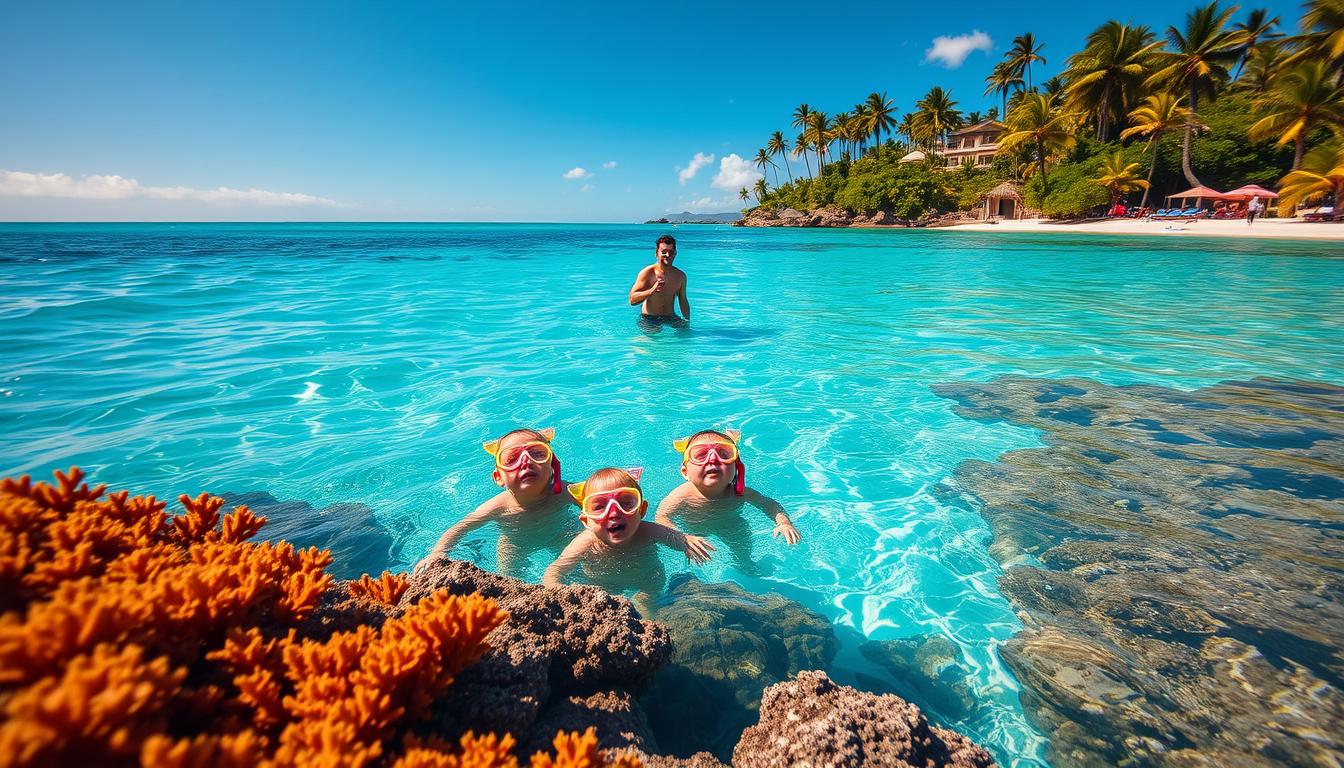
Baby Beach
This man-made lagoon features calm, shallow water protected by a concrete breakwater. It is ideal for observing smaller reef fish in a contained environment.
Stay near the breakwater for higher fish concentrations.
Every beach in Aruba is public by law, which means the island's clearest reefs and calmest coves carry no entrance fee. Baby Beach, Mangel Halto, and Tres Trapi anchor the short list of snorkel-ready shorelines where coral gardens start steps from the sand.
Quick answer
Baby Beach, Mangel Halto, and Tres Trapi are the three top free snorkeling beaches in Aruba, all located on the southeastern and northwestern coasts. No entrance fee applies to any beach on the island—Aruba guarantees public access by law. Morning arrival between 08:00 and 10:30 ensures calm water and optimal visibility before afternoon trade winds stir the surface.
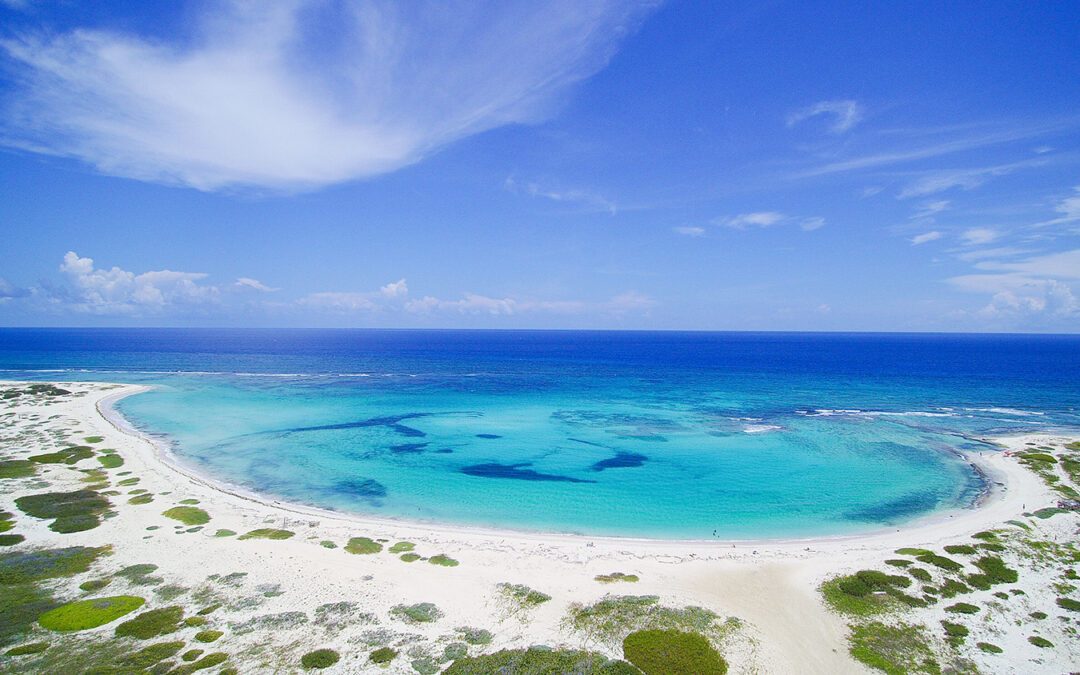
Aruba's southeastern coast holds the island's calmest water, sheltered from Atlantic swells by a natural lagoon system that keeps visibility high and currents gentle. Baby Beach anchors the southern tip, where a horseshoe reef encloses a shallow basin filled with sergeant majors, blue tangs, and juvenile parrotfish. The protected cove rarely exceeds three meters in depth, and the coral line begins fifteen meters from shore—close enough that even hesitant swimmers reach it without effort. Mangel Halto sits three kilometers north, where mangrove roots meet reef rubble and create a nursery for angelfish and damselfish. The entry point is a narrow sand channel flanked by coral heads, and the reef itself runs parallel to shore for two hundred meters. Local families favor the site for its shade and consistent fish activity. Tres Trapi occupies the northwestern coast near the California Lighthouse, where three natural stone steps descend into open water and elkhorn coral dominates the underwater topography. All three sites share a common rhythm: morning brings glass-flat conditions and the day's clearest visibility, while afternoon easterlies chop the surface and reduce underwater light. Free snorkeling spots in Aruba depend on this wind pattern—arriving early is not a courtesy but a practical necessity. The water temperature holds steady at twenty-seven degrees Celsius year-round, and seasonal variation is minimal. Reef health at these public access points remains strong because visitor pressure distributes across the island rather than concentrating at a single commercial site. No fee applies to beach access, parking, or water entry. The visitor site for Aruba confirms that all beaches remain public by constitutional mandate, a regulation enforced since 1959. Gear rental operates independently through beachside vendors at Baby Beach and Mangel Halto, though most visitors bring their own mask and fins. The absence of entrance infrastructure—no gates, no ticket counters, no controlled access—means that planning revolves around tide and wind rather than operating schedules.
“Morning brings glass-flat conditions and the day's clearest visibility, while afternoon easterlies chop the surface and reduce underwater light.”
Admission to snorkeling sites in Aruba is based on public access policies for coastal areas. All beaches on the island are open to the public at no cost.
Verdict: An adult pays 0 USD for beach access, provided they bring their own snorkeling equipment.
The best arrival window is 08:00–10:30, which avoids midday crowds and ensures optimal water clarity before afternoon winds. Planning your visit during this timeframe provides the calmest conditions for snorkeling at accessible coastal sites.
Dry with average 82°F (28°C)
These months offer consistent trade winds and high visibility. Waters remain calmest during morning hours.
Warm with average 84°F (29°C)
This period falls outside the peak tourist season. Afternoon winds typically increase, making early arrival essential.
—
Local beach traffic is lowest on weekdays. Arriving early ensures your choice of entry point and clearest water conditions.
Verdict: The best time to snorkel is between 08:00–10:30 on weekdays during the months of April, May, or October.
Baby Beach, Mangel Halto, and Tres Trapi are accessible by car or public bus via the main coastal roads. Driving remains the most direct method to reach these locations across the island.
Follow Route 1 south toward San Nicolas for Baby Beach
Arubus Line 2 to Sabana Basora for Mangel Halto
Follow Route 1 north toward Malmok Beach for Tres Trapi
Parking is available at all three sites, though spaces at Tres Trapi fill quickly. Using a rental car provides the most flexibility for visiting multiple locations in one day.
Aruba offers several accessible coastal locations where snorkelers can observe marine life directly from the shore. These areas provide diverse underwater environments ranging from shallow lagoons to coral-rich drop-offs.
This man-made lagoon features calm, shallow water protected by a concrete breakwater. It is ideal for observing smaller reef fish in a contained environment.
Stay near the breakwater for higher fish concentrations.
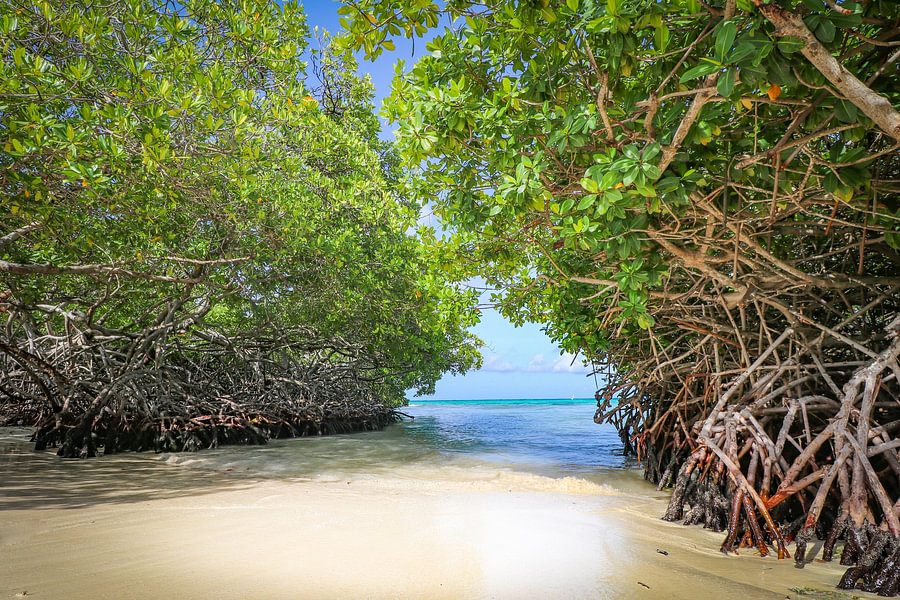
The area consists of an intricate network of mangroves leading to a reef drop-off. Snorkelers can navigate the shallow channels before reaching deeper water.
Swim toward the outer reef edge for better visibility.
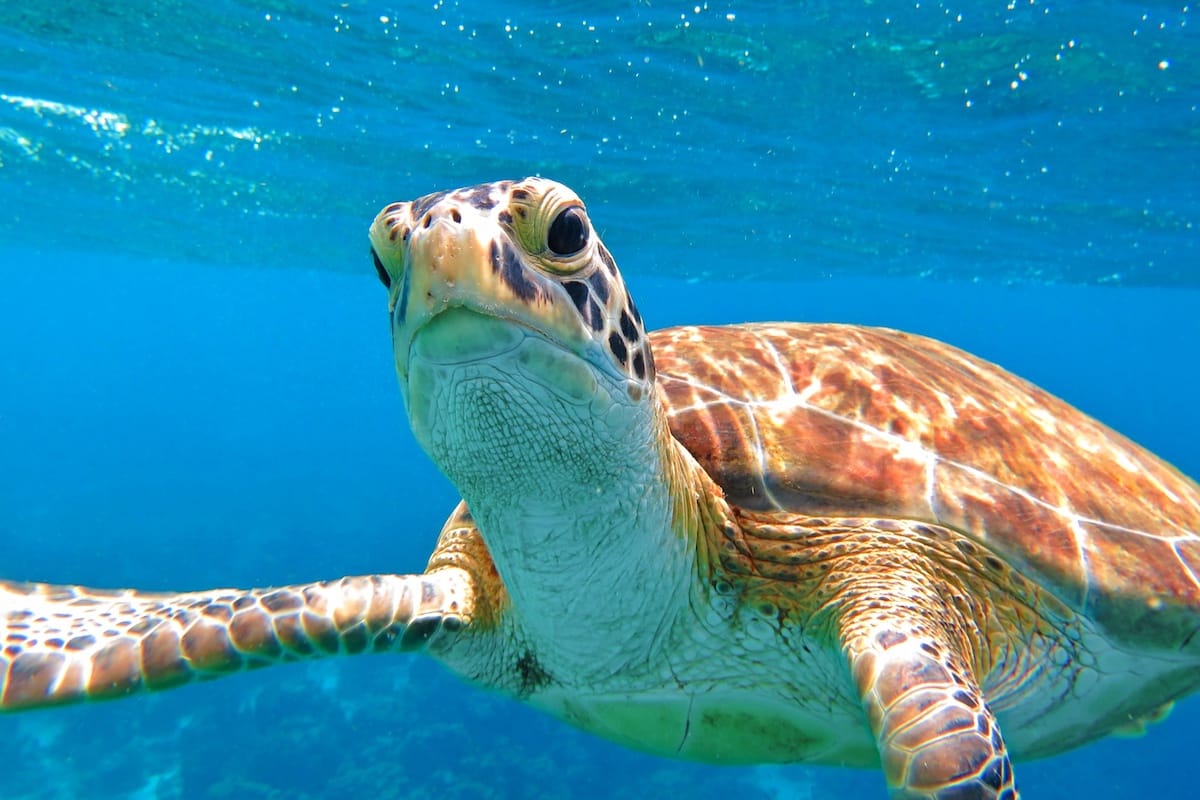
Known as a small cove accessible via stone steps, this site is frequented by green sea turtles. The seabed is primarily rocky with sandy patches.
Look for turtles feeding on the bottom in the morning.
Independent snorkeling requires minimal gear but careful preparation for sun, current, and marine conditions.
Everything you need to know about where to snorkel in aruba for free
You can enjoy high-quality marine life by visiting public coastal sites such as Baby Beach, Mangel Halto, and Tres Trapi. These areas provide excellent access to coral formations and tropical fish without requiring a paid tour. Finding out where to snorkel in aruba for free is simple since all beaches in Aruba are open to the public. Exploring the island's coastline independently offers a flexible way to discover local reefs at your own pace. Finding the best spots where to snorkel in aruba for free is a popular activity for visitors seeking a budget-friendly adventure. The entrance fee is 0 USD for all public beach access points, ensuring you have no unexpected costs for entry. You simply need to bring your own equipment to enjoy the water. To ensure the best water clarity and avoid midday crowds, the recommended arrival window is 08:00–10:30. This timing helps you experience the reefs before the afternoon winds potentially impact visibility. Many free locations are family-friendly, offering calm, shallow water suitable for younger swimmers. While exploring where to snorkel in aruba for free, parents should always supervise children closely and ensure they wear proper flotation if needed. No permits are required for beach access or snorkeling in these public areas. You are free to swim and explore the designated shoreline zones as you please. You will find that Baby Beach and Mangel Halto are excellent spots where to snorkel in aruba for free while enjoying the scenic coastline. These locations offer diverse marine ecosystems that are easily reachable from the main road. All public snorkel locations mentioned are accessible from Monday through Sunday, 00:00–23:59. You can visit these areas at any time that fits your itinerary.
Best Snorkeling Tours in Aruba
Read more GuideIs Aruba Good for Snorkeling?
Read more Tickets & toursPrivate Aruba Snorkeling Excursion with Rum Punch
Read more Tickets & toursAruba Shipwreck Snorkeling Tours
Read more Tickets & toursCatamaran Snorkeling Cruises in Aruba
Read more Tickets & toursSea Turtle Snorkeling Tours in Aruba
Read more Tickets & toursPrivate Snorkeling Charters in Aruba
Read more